
Daniel Horry
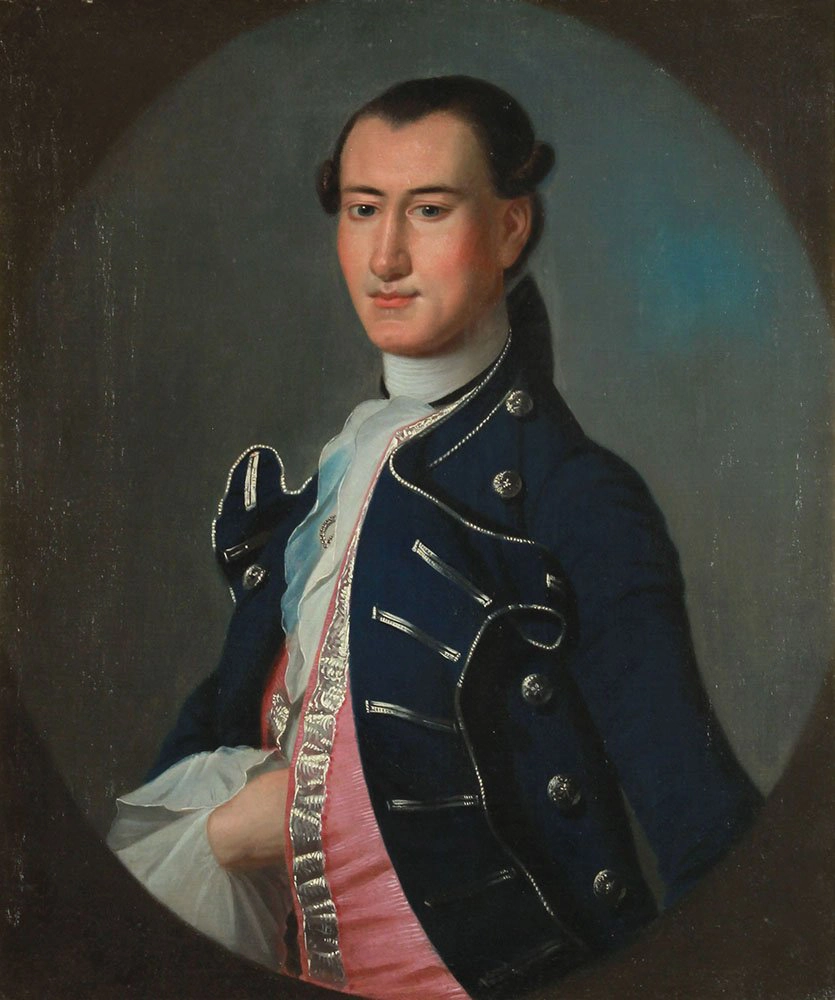
Colonel Daniel Horry: The Disillusioned Commander
Daniel Horry was born into a prominent French Huguenot family and resided at the magnificent Hampton Plantation on the Santee River. His marriage to Harriott Pinckney—daughter of Eliza Lucas Pinckney—tied him directly to the most powerful political dynasties of South Carolina. Unlike his cousins Peter and Hugh Horry, who became legendary partisans under Francis Marion, Daniel’s path was marked by the high-stakes responsibility of formal command and the crushing weight of the British occupation.
The Knight of the State Dragoons
In February 1779, Horry was appointed the first and only Colonel of the South Carolina Light Dragoons, an elite state cavalry unit. He led these troops through the most significant early actions of the Southern theater, including the Siege of Savannah and the Battle of Stono Ferry. It was during these operations in the Beaufort and Colleton Districts that Horry became increasingly vocal and critical of the local militia’s effectiveness.
Stationed near the burnt remains of the Old Sheldon Church, Horry’s dragoons acted as the “eyes and ears” for the Patriot army, screening river passages and interrogating British prisoners. However, his correspondence from this period reveals a deep frustration with the “unreliable” nature of the Beaufort District militia. He often lamented their lack of discipline and their tendency to desert to protect their own plantations—a sentiment that placed him at odds with local leaders like William Harden.
The Fall and the “Protection”
The turning point for Horry came with the Fall of Charleston in May 1780. Faced with the total occupation of the Lowcountry and the potential seizure of his vast estates, Horry made the agonizing choice to take British Protection. To the “Bloody Legion” and the hardened partisans in the swamps, this was viewed as an act of ultimate betrayal. In 1781, while the war still raged, he even took his young son to London to be educated, further distancing himself from the Patriot cause.
An Uneasy Reconciliation
Horry returned to South Carolina after the British evacuation in 1782. Unlike those who were permanently exiled, Horry was allowed to remain, though not without penalty. His estate was amerced twelve percent of its total value by the Jacksonborough Assembly as a punishment for his lapse in loyalty. He spent his final years at Hampton Plantation, a figure of a bygone era whose military career had been cut short by the very “prudence” that saved his fortune.