
Historic Sites
Grid View List View
View Map
Frampton Plantation / Lowcountry Visitor Center
Frampton Plantation, located at Point South near Yemassee, serves as a vital anchor for understanding the colonial land-grant system and the strategic settlement patterns of the Lowcountry. While…
Parris Island Museum
Located within the historic 1951 War Memorial Building on the Marine Corps Recruit Depot, the Parris Island Museum is a vital sentinel for the history of the Port…
Zion Chapel of Ease Cemetery
The Zion Chapel of Ease Cemetery, located at the intersection of Mathews Drive and William Hilton Parkway, is the most significant Revolutionary War landmark on Hilton Head Island.…
White Hall Plantation Site
White Hall Plantation, once located on Port Royal Island in Beaufort County, was the primary residence of Thomas Heyward Jr. and served as a focal point for British…
Thomas Heyward Jr. Tomb / Old House Plantation Site
The Thomas Heyward Jr. Tomb, located at the site of the former Old House Plantation near Ridgeland, is the final resting place of one of South Carolina's four…
Stoney Baynard Ruins
The Stoney–Baynard Ruins, located within the Sea Pines Resort on Hilton Head Island, are the skeletal remains of a grand tabby mansion that serves as a monument to…
Parish Church of St. Helena
The Parish Church of St. Helena, located in the heart of historic Beaufort on Port Royal Island, is one of the oldest active colonial churches in the United…
Old Sheldon Church Ruins (Prince William Parish Church)
The Old Sheldon Church Ruins, located in the Yemassee area of northern Beaufort County, stand as one of the most evocative and photographically iconic sites in the South…
Morris Center for Lowcountry Heritage
The Morris Center for Lowcountry Heritage, located in the heart of Ridgeland, serves as a premier cultural hub for preserving and interpreting the diverse history of the South…
Frampton Plantation / Lowcountry Visitor Center
Frampton Plantation, located at Point South near Yemassee, serves as a vital anchor for understanding the colonial land-grant system and the strategic settlement patterns of the Lowcountry. While the site is prominently associated with later Civil…
Parris Island Museum
Located within the historic 1951 War Memorial Building on the Marine Corps Recruit Depot, the Parris Island Museum is a vital sentinel for the history of the Port Royal region. While famous for its role in…
Zion Chapel of Ease Cemetery
The Zion Chapel of Ease Cemetery, located at the intersection of Mathews Drive and William Hilton Parkway, is the most significant Revolutionary War landmark on Hilton Head Island. While the wooden chapel that once stood here…
White Hall Plantation Site
White Hall Plantation, once located on Port Royal Island in Beaufort County, was the primary residence of Thomas Heyward Jr. and served as a focal point for British aggression during the Revolutionary War. As the home…
Thomas Heyward Jr. Tomb / Old House Plantation Site
The Thomas Heyward Jr. Tomb, located at the site of the former Old House Plantation near Ridgeland, is the final resting place of one of South Carolina's four signers of the Declaration of Independence. While Heyward…
Stoney Baynard Ruins
The Stoney–Baynard Ruins, located within the Sea Pines Resort on Hilton Head Island, are the skeletal remains of a grand tabby mansion that serves as a monument to the post-Revolutionary "Golden Age" of the Sea Islands.…

Explore the Revolutionary War Trail of the South Carolina Lowcountry
Discover the hidden stories of the American Revolution through a journey across the Beaufort District’s most iconic historical sites. From the atmospheric tabby ruins of Haig Point and Stoney-Baynard to the hallowed grounds of Old Sheldon Church, this region served as a volatile frontier where Patriot and Loyalist neighbors engaged in a brutal “civil war” for independence. Follow the footsteps of the legendary “Bloody Legion” on Hilton Head and Daufuskie Island, explore the strategic Continental headquarters at Purrysburg, and pay your respects at the final resting places of Founding Fathers like Thomas Heyward Jr.. Whether you are touring the Gothic Revival architecture of the Beaufort Arsenal or standing on the banks of the Savannah River at Millstone Landing, these sites offer an immersive look into the partisan warfare, maritime privateering, and personal sacrifices that defined the South Carolina Lowcountry’s role in birthing a new nation.
Explore the Lowcountry CURATED HISTORY
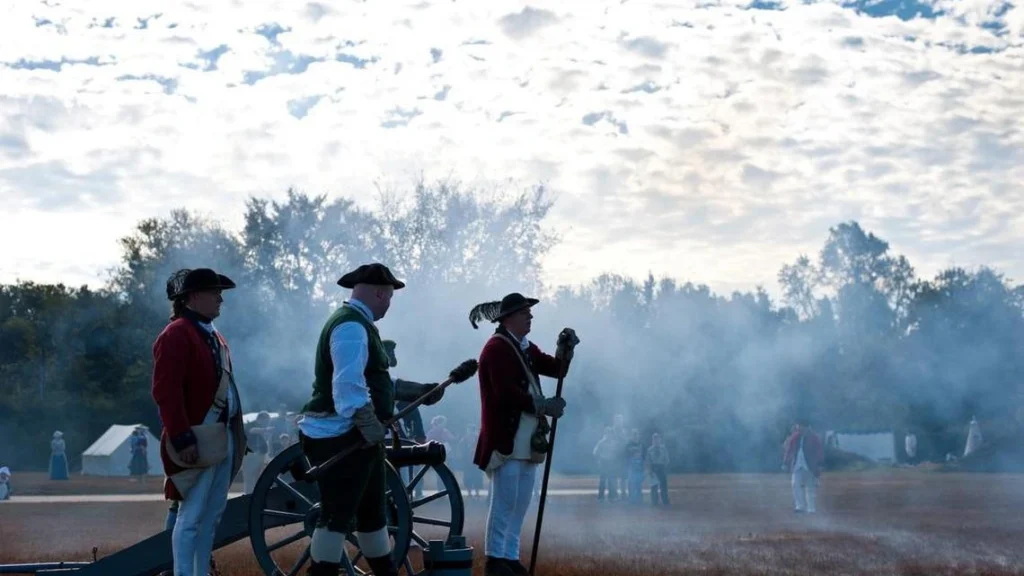
Battle of Coosawhatchie
 View More
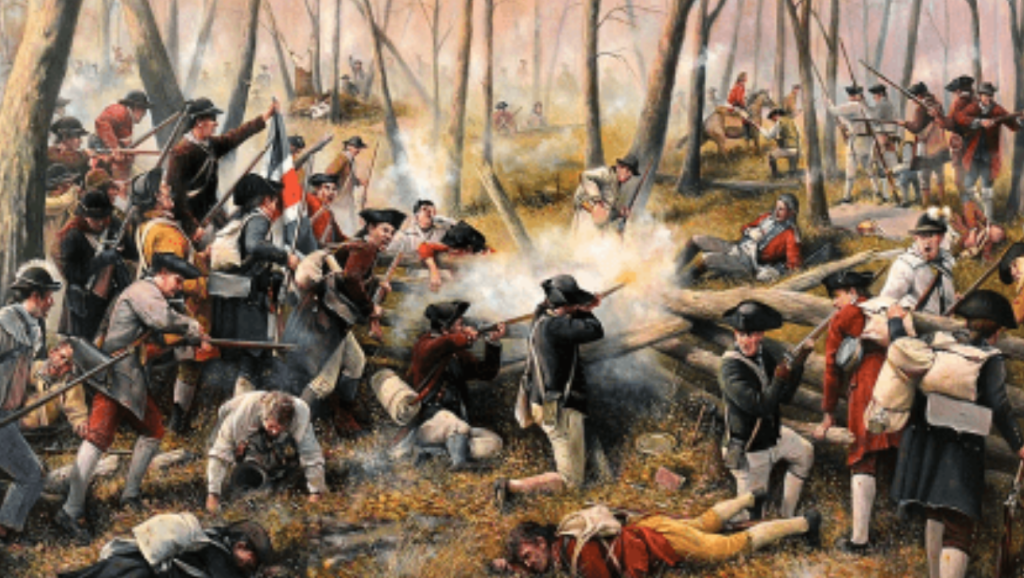
Battle of Tulifinny Hill
 View More
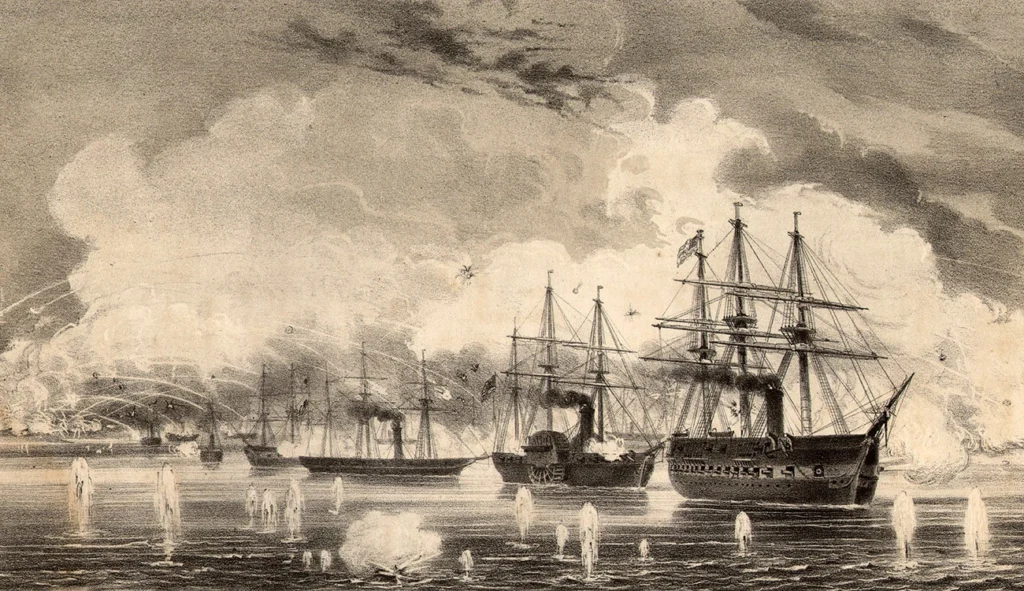
Butler vs. British Foregers
 View More
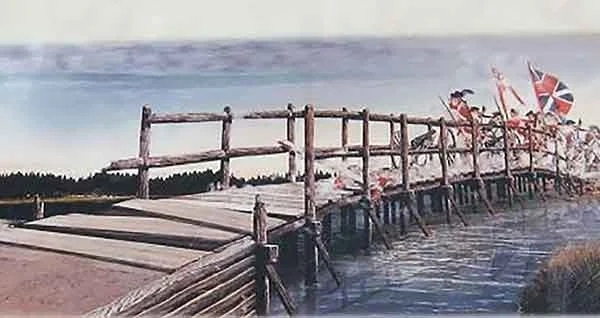
Fishpond Bridge
 View More