Biographies

Andrew DeVeaux
The Scourge of the Lowcountry Andrew DeVeaux (1758–1812) was born to a prominent Beaufort family at their Laurel Bay plantation. While many of his peers joined the rebellion, DeVeaux remained a staunch and active Loyalist, driven by a deep conviction that the American cause was an affront to the social and economic order that had [...]
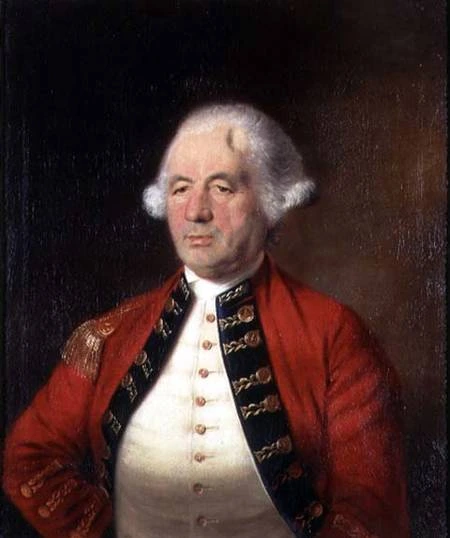
Augustine Prevost
Major General Augustine Prevost: The Invader of the Lowcountry Prevost was a veteran of the French and Indian War and had spent years commanding the British garrison in St. Augustine, Florida. In late 1778, he was ordered to move north and cooperate with a naval force to capture Savannah. Following the fall of Savannah in [...]

Charles Davant
The Martyr of Hilton Head Born in 1750 on Edisto Island into a family of English-Huguenot descent, Charles Davant moved to Hilton Head Island as a child. Along the northwest shore of Broad Creek, he carved out a life as an indigo planter at his estate, Two Oaks Plantation. Like many of his neighbors, Davant [...]

Daniel Horry
Colonel Daniel Horry: The Disillusioned Commander Daniel Horry was born into a prominent French Huguenot family and resided at the magnificent Hampton Plantation on the Santee River. His marriage to Harriott Pinckney—daughter of Eliza Lucas Pinckney—tied him directly to the most powerful political dynasties of South Carolina. Unlike his cousins Peter and Hugh Horry, who [...]
Edward Barnwell
A Legacy of Defiance Edward Barnwell (1758–1808) was born into a lineage of Lowcountry defenders, but he forged his own reputation through a series of daring escapes and steadfast leadership. His service began in June 1775 at the age of eighteen, receiving one of the first commissions issued by the Provincial Congress. Initially serving as [...]

Edward Rutledge
Captain Edward Rutledge: The Youngest Signer Born into a family of immense influence, Rutledge was educated in law at the Middle Temple in London before returning to Charleston to join the burgeoning resistance. At just 26 years old, he represented South Carolina at the Continental Congress. Initially a moderate who hoped for reconciliation, he eventually [...]
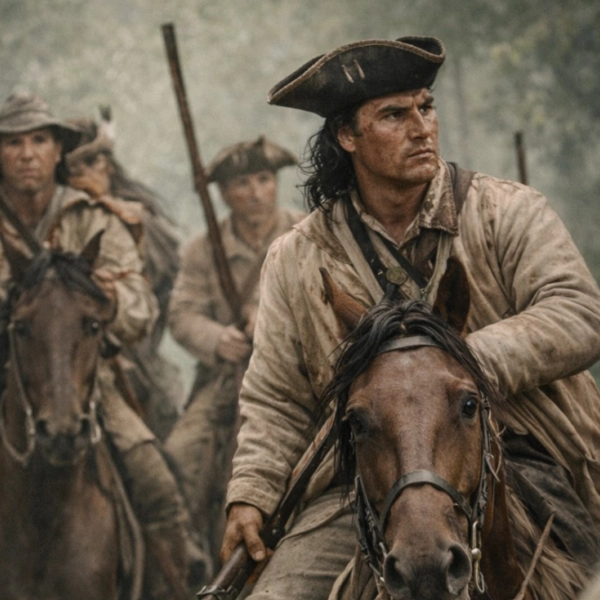
Felix Warley
Major Felix Warley: The Dragoon of the Lowcountry Warley began his military career as a captain in the 3rd South Carolina Regiment (Thomson’s Rangers), serving directly under William "Old Danger" Thomson. He was present during the pivotal defense of Breach Inlet during the Battle of Sullivan’s Island in 1776, where his unit helped prevent a [...]

Francis Marion
Brigadier General Francis Marion: The Swamp Fox Marion was a veteran of the French and Indian War, where he learned the "Indian method" of concealment and ambush—tactics he would later perfect against the British. After the fall of Charleston in 1780, while other Continental officers were captured or fled, Marion retreated into the Pee Dee [...]
Isaac Baldwin
The Ironworker of Broad Creek Isaac Baldwin’s journey from a humble New Jersey ironworker to a storied officer in the South Carolina militia epitomizes the transformative nature of the Revolutionary War in the Lowcountry. Arriving on Hilton Head Island in 1773, Baldwin sought a quiet life of industry at the shipyards along Broad Creek. However, [...]

Isaac Hayne
Colonel Isaac Hayne: The Martyr of South Carolina Isaac Hayne (1745–1781) was a wealthy and influential planter from the Colleton District, known for his ironworks and his leadership within the local militia. Like many others, Hayne was captured during the Fall of Charleston in 1780 and was eventually forced to sign a declaration of allegiance [...]
James Davant
The Survivor of the Lowcountry James Davant was the elder statesman of the Davant family on Hilton Head Island. Born on Edisto Island in 1744, he moved to Hilton Head as a child and inherited his father’s plantation, Point Comfort, strategically located at the mouth of Broad Creek overlooking the Calibogue Sound. Before the revolution, [...]

Jim Capers
The Heartbeat of the Lowcountry Resistance Born on September 23, 1742, on a South Carolina island plantation, Jim Capers’ life began in bondage but was defined by a relentless pursuit of liberty. Originally owned by Richard Capers, Jim was valued as one of the most "valuable" individuals in the estate—a testament to his skills even [...]
John De Treville
The Continental Enigma John La Boularderie DeTreville (1742–1791) was a man of high birth and shifting loyalties. Born in Acadia to French nobility, his family’s status was diminished by British conquest, leading him to a life of professional soldiering. During the Seven Years' War, he served in Germany where he formed a fateful acquaintance with [...]
John Doharty
Captain James Doharty: The Spark of Retaliation James Doharty was a prominent Patriot militia commander and planter whose life and death illustrate the terrifying, intimate nature of the "Partisan War." Based on Bear Island near Mackey’s Creek, Doharty was a leader in the local militia during the precarious years when the British held Savannah and [...]
John Joyner
Commodore John Joyner: The Admiral of the Lowcountry Originally from Gloucestershire, England, Joyner began his colonial career patrolling the waterways of Georgia and South Carolina as a commander of scout boats. By the mid-1750s, he had settled in Beaufort, establishing himself as an indigo planter and a pillar of the St. Helena Parish community. When [...]

John Laurens
Colonel John Laurens: The Reckless Idealist Educated in Geneva and London, Laurens returned to South Carolina with a radical vision for the Revolution: he believed that the fight for liberty should include the emancipation of enslaved people. Throughout the war, he persistently lobbied the Continental Congress and the South Carolina legislature to allow him to [...]
John Leacraft
Captain John Leacraft: Commander of the Bloody Legion John Leacraft was a prominent Hilton Head Island Patriot whose service was defined by the brutal, "eye-for-an-eye" nature of the Lowcountry’s partisan war. A nephew of the commander James Doharty, Leacraft was deeply embedded in the kinship networks that fueled the island’s resistance. While formal Continental officers [...]
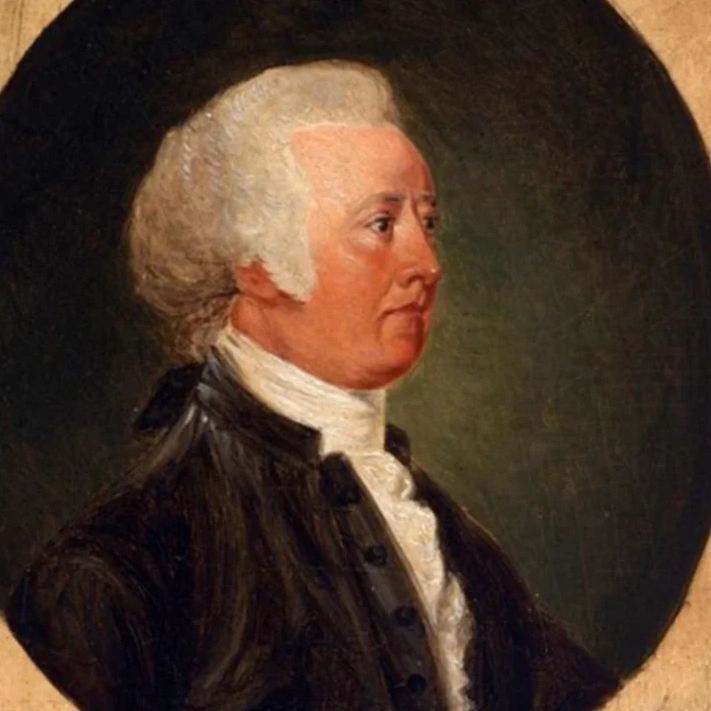
John Rutledge
Governor John Rutledge: The "Dictator" of the Republic A brilliant lawyer educated at the Middle Temple in London, Rutledge was a conservative revolutionary who prioritized the rule of law even in the midst of chaos. In early 1780, as British forces closed in on Charleston, the General Assembly granted him near-absolute "dictatorial" powers to do [...]
John Talbird
John Talbird: The Targeted Planter A member of a well-established Hilton Head family, Talbird was an active supporter of the revolutionary cause from the war's outset. As a landed planter, he provided both material support and leadership to the local militia, making his estate a primary objective for British raiding parties operating out of Savannah [...]
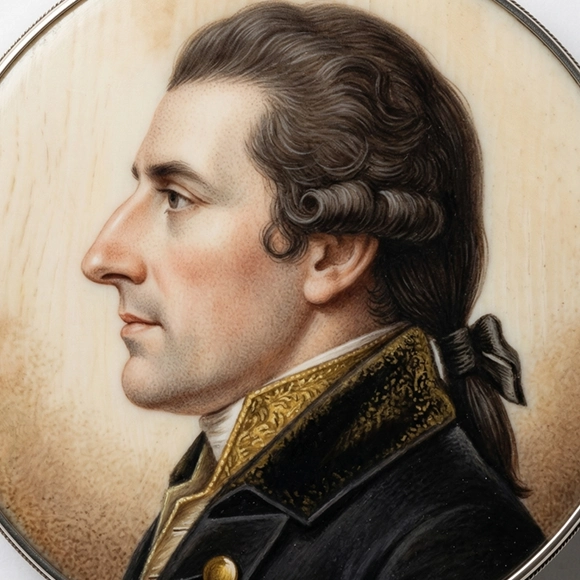
Joseph Kershaw
Colonel Joseph Kershaw: The Architect of Camden Joseph Kershaw (c. 1727–1791) arrived in South Carolina from Yorkshire, England, before 1748, bringing with him an iron will and a sharp mind for commerce. He settled at a site known as Pine Tree Hill, which he systematically developed into the town of Camden. Through his firm, Kershaw [...]
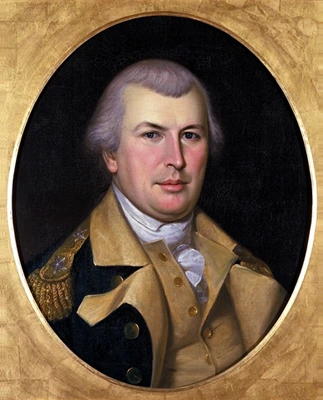
Nathanael Greene
Major General Nathanael Greene: The Savior of the South Nathanael Greene (1742–1786) took command of a shattered and starving Southern Army in December 1780. Facing a superior British force under Lord Cornwallis, Greene realized that a traditional, head-on war was a recipe for disaster. Instead, he pioneered a brilliant strategy of "mobile war"—using the rugged [...]

New River
General New River: The Catawba Patriot New River rose to leadership during a period of immense pressure on the Catawba Nation, which had been decimated by smallpox and encroached upon by settlers. Despite these challenges, he viewed the Patriot cause as a means of securing his people's future and lands. His title of "General" was [...]
Nicholas Lechmere
Colonel Nicholas Lechmere: The Crown’s Collector Before the first shots of the Revolution, Nicholas Lechmere was a pillar of the British establishment in Beaufort, serving as the Royal Customs Collector for the port. His social standing was further solidified through his marriage into the prominent DeVeaux family, tying his personal fortunes to the local aristocracy. [...]
Philip Martinangele Jr.
Captain Philip Martinangele Jr.: The Loyalist of the Sound The Martinangele family were prominent landowners on Daufuskie Island, immediately adjacent to Hilton Head. Their deep local roots and geographic isolation made them formidable players in the conflict. Philip Martinangele Jr. was not an ideological figure from London; he was a local man who made a [...]

Richard “Tory Dick” Pendarvis
Richard Pendarvis: The Terror of May River Richard Pendarvis, widely known by the moniker “Tory Dick,” was a wealthy planter and the owner of Montpelier Plantation, located on the May River neck (modern-day Palmetto Bluff). His family was deeply divided; while his uncle Josiah Pendarvis took the name Bedon to distance himself from the Loyalist [...]
Stephen Bull
The Divided Dynasty Stephen Bull was a man born into the highest echelons of South Carolina’s colonial aristocracy. The nephew of the prominent Royal Lieutenant Governor William Bull, Jr., Stephen inherited the grand Sheldon Plantation in Prince William’s Parish and a legacy of political leadership. Yet, when the Revolution beckoned, Bull made a radical departure [...]
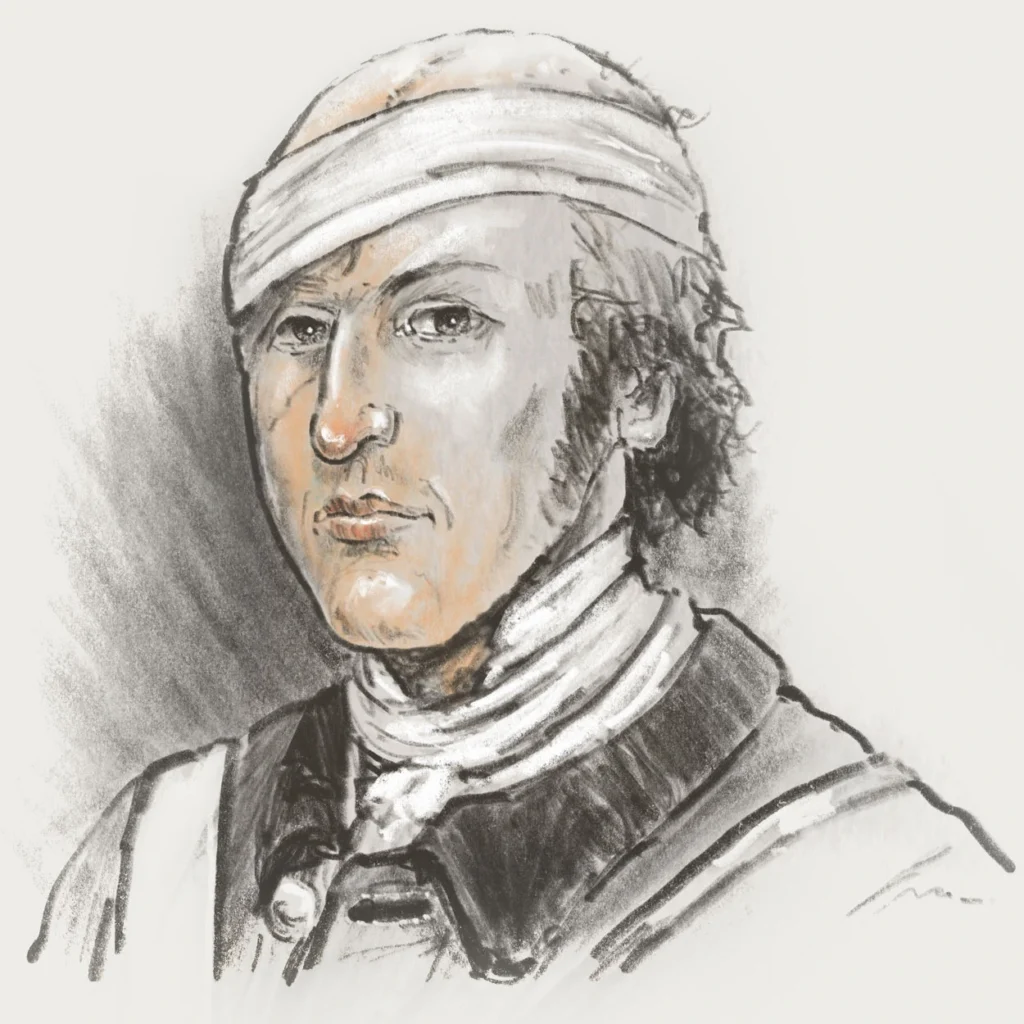
Thomas Brown
The Making of a Loyalist Enigma Few figures in the American Revolution evoke as much terror and fascination as Thomas Brown (1750–1825). Born in Whitby, Yorkshire, Brown arrived in Georgia in 1774 with the aspirations of a gentleman planter. With significant family backing, he established "Brownsborough" near Augusta, an ambitious 5,600-acre settlement. However, his refusal [...]
Thomas Fenwick
Thomas Fenwick: The Shadow of Matthews’ Plantation Thomas Fenwick was a wealthy and influential landowner whose legacy is inextricably linked to the "Surprise at Matthews’ Plantation." Unlike many Loyalists who wore a red coat from the war's outset, Fenwick initially operated in the dangerous "middle ground" of the Lowcountry. Living on John’s Island, his estate [...]
Thomas Fraser
Major Thomas Fraser: The Resolute Royalist Thomas Fraser (1755–1820) was a Scottish-born officer whose Revolutionary War service exemplifies the tenacity of the British Provincial units. After settling in New Jersey prior to the conflict, Fraser’s unwavering allegiance to the Crown led him to join the New York Volunteers in 1777. Starting his career as an [...]
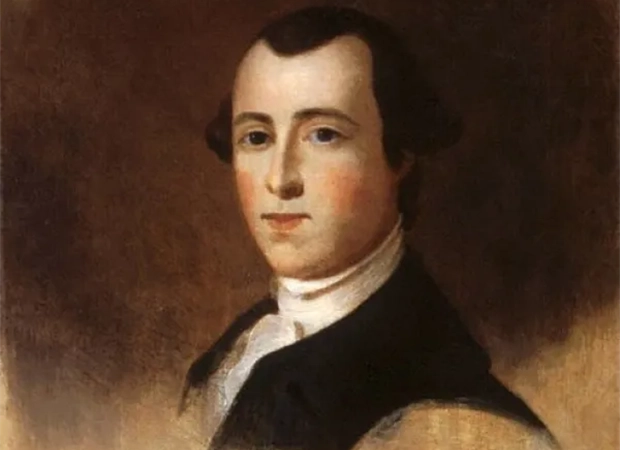
Thomas Heyward Jr.
Thomas Heyward Jr.: The Soldier-Signer Thomas Heyward Jr. (1746–1809) was one of the few men in history to pair the stroke of a pen on the Declaration of Independence with the command of a battery in the field. Born at Old St. Luke’s Parish in the Beaufort District, he was the son of one of [...]
Thomas McCalla
Thomas McCalla: The Captured Patriot Thomas McCalla was a veteran of the "Snow Campaign" and an early volunteer in the Patriot militia of the Camden District. He served under the command of General Thomas Sumter, participating in the hit-and-run warfare that defined the resistance in the South Carolina Piedmont after the fall of Charleston. The [...]

William “Old Danger” Thomson
Colonel William "Old Danger" Thomson: The Frontier Shield Thomson earned his nickname "Danger" long before the Revolution while serving in the Cherokee War, where his fearlessness in the backcountry became a matter of public record. When the war with Britain began, he was commissioned as Colonel of the 3rd South Carolina Regiment—a unit of specialized [...]

William Harden
Colonel William Harden: The Ranger of the Lowcountry William Harden (1743–1785) was the defining partisan leader of the southern Lowcountry, emerging from the "swamps and sandy woods" of the Beaufort District to lead one of the most effective irregular commands in the Revolutionary War. While less famous than Francis Marion, Harden was the primary force [...]

William Hazzard Wigg
Major William Hazzard Wigg: The Guardian of the Rear Guard Born into the influential Wigg family of St. Helena Parish, William was a natural leader within the Beaufort District militia. As a cavalry officer, he specialized in the rapid, high-stakes maneuvering required to screen the movements of the larger Patriot army and disrupt British incursions [...]

William Moultrie
Major General William Moultrie: The Shield of the Lowcountry Moultrie was already a living legend by the time the war reached the Beaufort District. In 1776, his ragtag garrison at a half-finished palmetto-log fort on Sullivan’s Island famously repelled a massive British naval fleet. However, his leadership in 1779 was perhaps even more critical, as [...]

Explore the Revolutionary War in the Lowcountry:
A Definitive Timeline
Trace the high-stakes history of the American Revolution in the South Carolina Lowcountry through our comprehensive interactive timeline, spanning the pivotal decade from 1772 to 1782. This curated chronology documents the transition from early colonial defiance—such as the 1772 Beaufort Assembly mentioned in the Declaration of Independence—to the brutal partisan “swamp war” that defined the conflict’s end. From major naval engagements like the Battle of Sullivan’s Island and the capture of HMS Philippa off Daufuskie Island to the legendary guerrilla tactics of General Francis Marion and Colonel William Harden, this timeline highlights the strategic importance of the Beaufort District and the Savannah River corridor. Discover the local stories behind famous figures like Sergeant Jasper, Casimir Pulaski, and John Laurens, and explore the exact sites of the Siege of Savannah, the fall of Fort Balfour, and the final shots fired at Tar Bluff. Whether you are researching South Carolina military history, searching for Revolutionary War battlefields, or honoring the legacy of the Lowcountry Patriots, this timeline serves as your essential guide to the “war of the neighborhoods” that secured American independence.
Explore the Lowcountry CURATED HISTORY
Ambush at Parson’s Plantation
 View More
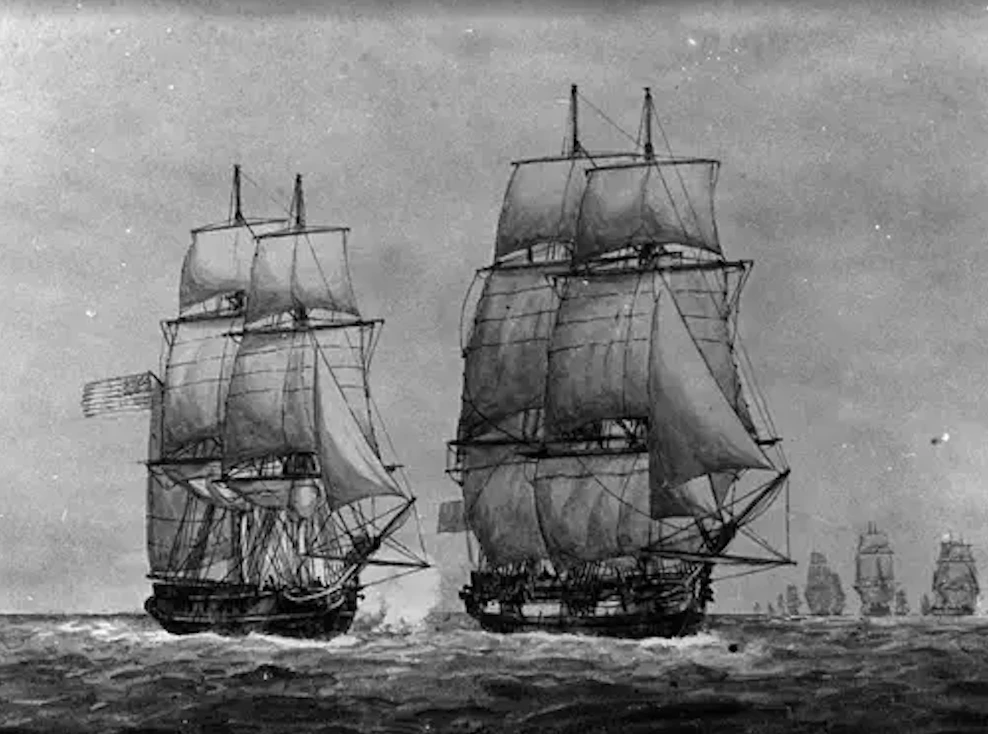
Capture of HMS Sally
 View More
Capture of the HMS Dispatch
 View More
Battle of Tar Bluff (Battle of the Combahee River)
 View More