
William “Old Danger” Thomson
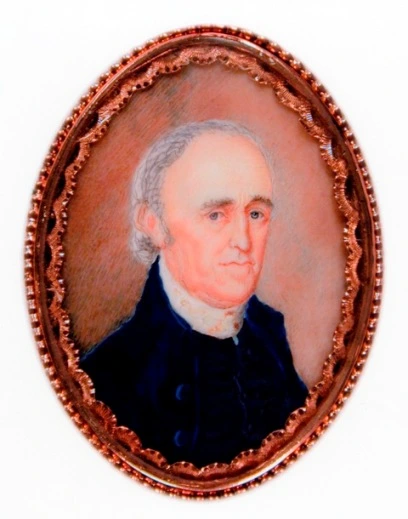
Colonel William “Old Danger” Thomson: The Frontier Shield
Thomson earned his nickname “Danger” long before the Revolution while serving in the Cherokee War, where his fearlessness in the backcountry became a matter of public record. When the war with Britain began, he was commissioned as Colonel of the 3rd South Carolina Regiment—a unit of specialized “Rangers” who were expert marksmen and horsemen, perfectly suited for the rugged terrain of the Lowcountry and the interior.
The Hero of Breach Inlet
Thomson’s most significant contribution to the early war effort occurred during the Battle of Sullivan’s Island in June 1776. While William Moultrie was defending the fort from the British fleet, Thomson was tasked with the equally critical defense of the island’s northern end at Breach Inlet.
Commanding a mixed force of Rangers, North Carolina regulars, and Catawba scouts, Thomson faced a massive British landing force under Sir Henry Clinton. Despite being heavily outnumbered, Thomson’s men used their superior marksmanship to pick off British soldiers attempting to wade across the inlet. His successful defense prevented the British from outflanking the fort, effectively saving the garrison and securing a major Patriot victory.
Service in the Lowcountry and Georgia
Following his success at Sullivan’s Island, Thomson led his Rangers into the grueling Florida and Georgia expeditions of 1777 and 1778. These operations were designed to secure the southern border of the Beaufort District and harass British outposts in Savannah. Though these campaigns were plagued by disease and supply shortages, Thomson’s Rangers remained one of the few disciplined units capable of operating in the coastal marshes.
During the Siege of Charleston in 1780, Thomson was captured and, like many other high-ranking Patriot officers, endured a period of harsh imprisonment before being paroled. After his exchange, he continued to provide administrative and military support to the partisan networks led by John Rutledge and Francis Marion.
Legacy of “Old Danger”
After the war, Thomson served as a state senator and was a member of the convention that ratified the U.S. Constitution. He died in 1796, leaving a legacy as the man who held the back door to Charleston shut during the war’s first great crisis.