
William Hazzard Wigg
Major William Hazzard Wigg: The Guardian of the Rear Guard
Born into the influential Wigg family of St. Helena Parish, William was a natural leader within the Beaufort District militia. As a cavalry officer, he specialized in the rapid, high-stakes maneuvering required to screen the movements of the larger Patriot army and disrupt British incursions along the coastal causeways.
The Rescue at Coosawhatchie
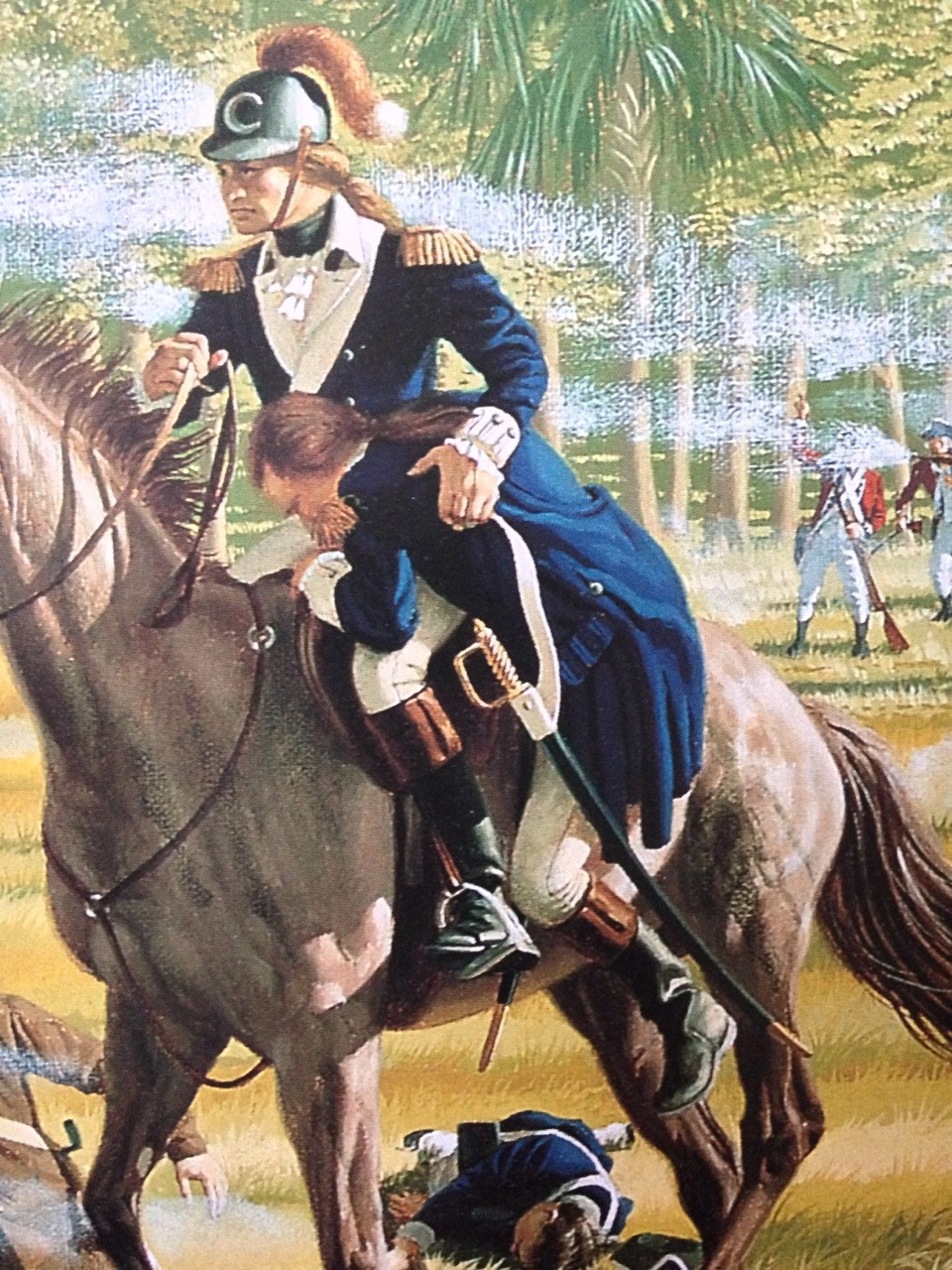
Wigg’s most legendary moment occurred on May 3, 1779, during the Battle of Coosawhatchie. As British General Augustine Prevost’s army advanced toward Charleston, John Laurens was tasked with a rear-guard action to delay them. In the heat of the engagement, Laurens was shot in the arm and his horse was killed, leaving him stranded and vulnerable on the battlefield as the British closed in.
Major Wigg, seeing the peril, charged his horse into the melee. Under heavy fire, he reached the wounded Laurens, pulled him onto his own horse, and galloped to safety. This act of gallantry ensured that Laurens—a vital aide to George Washington—survived to fight another day, though it solidified Wigg’s own reputation as a target for British retaliation.
The Price of Patriotism
Following the fall of Charleston in 1780, Wigg suffered immense personal and financial loss. The British, recognizing his status as a defiant Patriot officer, singled out his property for destruction. His elegant Beaufort home was burned, and he was eventually captured and sent to the prison ship Packhorse. While aboard the prison ship, he was among the officers who signed the famous “Petition of the Packhorse,” a defiant document asserting their rights as prisoners of war even under threat of execution.
Legacy of a Beaufort Hero
After his exchange, Wigg returned to the Beaufort District to help rebuild the war-torn community. He served in the state legislature and remained a highly respected figure in St. Helena Parish until his death in 1798. He is buried in the St. Helena Episcopal Churchyard, where his monument stands as a testament to the man who saved the “Bayard of the Revolution”.