
John Laurens
Colonel John Laurens: The Reckless Idealist
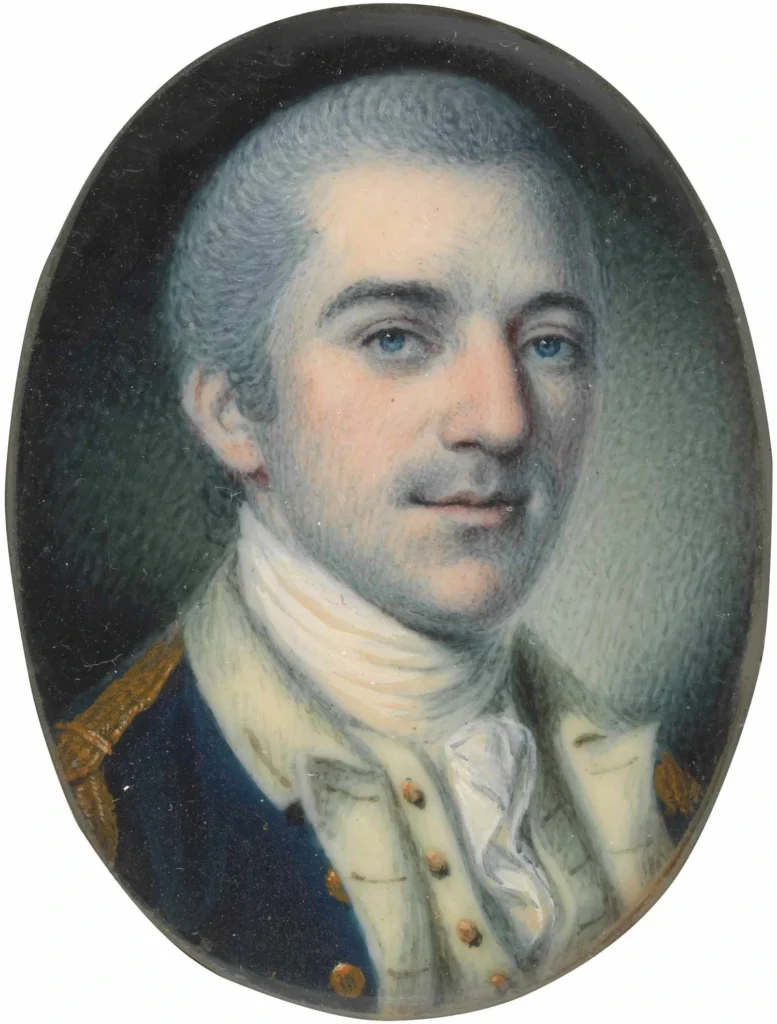
Educated in Geneva and London, Laurens returned to South Carolina with a radical vision for the Revolution: he believed that the fight for liberty should include the emancipation of enslaved people. Throughout the war, he persistently lobbied the Continental Congress and the South Carolina legislature to allow him to raise a regiment of Black soldiers, promising them freedom in exchange for their service—a proposal that was repeatedly rejected by the Lowcountry elite.
The Stand at Coosawhatchie
In May 1779, Laurens played a pivotal role in the defense of the Beaufort District during British General Augustine Prevost’s invasion. At the Battle of Coosawhatchie, Laurens was tasked with leading a rear-guard action to delay the British advance toward Charleston. In a display of his characteristic—and sometimes criticized—recklessness, he chose to cross the river and engage the British head-on rather than maintaining a defensive position on the high ground. He was severely wounded in the arm during the melee and had to be pulled from the field by his men, but his defiance bought the Patriot army precious time to reinforce the capital.
A Life Given for a Fading War
Laurens’ service spanned nearly every major theater of the war. He served as an aide-de-camp to George Washington, fought at Brandywine and Monmouth, and was a key negotiator for the British surrender at Yorktown. Despite the victory at Yorktown, Laurens returned to the Lowcountry to continue the fight against remaining British outposts. On August 27, 1782—just months before the British evacuated Charleston—Laurens was killed in a small, unnecessary skirmish at the Battle of the Combahee River.
Legacy of the “Lost Reformer”
John Laurens’ death at the age of 27 was mourned by George Washington and Alexander Hamilton as the loss of one of the nation’s brightest lights. He was a man who lived and died by the sword, driven by a vision of an America that extended the promise of freedom to all its inhabitants. Today, his sacrifice is remembered as the tragic end of a brilliant career that might have fundamentally altered the course of South Carolina’s social history.