Battles & Skirmishes
Grid View List View
View Map
Skirmish at Snipe’s Plantation
By June 1781, the British "Southern Strategy" had shrunk from a grand invasion to a desperate struggle for supplies. With the interior of South Carolina largely reclaimed by…
Skirmish at Horse Shoe
By July 1781, the area known as the "Horse Shoe"—a fertile, looped bend of the Ashepoo River in Colleton County—had become a scorched-earth battleground. This region was home…
Skirmish at Two Sisters’ Ferry
In the spring of 1780, the Savannah River remained the most contested border in the South. Two Sisters’ Ferry, a vital crossing point named for the daughters of…
Ambush at Parson’s Plantation
By August 1781, the British occupation of the Lowcountry had devolved into a series of desperate "tit-for-tat" raids. The British and their Loyalist allies, pinned back toward Charleston,…
Skirmish at Godfrey’s Savannah
In late August 1781, the focus of the partisan war returned to the marshy borderlands near the Savannah River. Godfrey’s Savannah—an open, grassy wetland area located near the…
Ambush at Parker’s Ferry
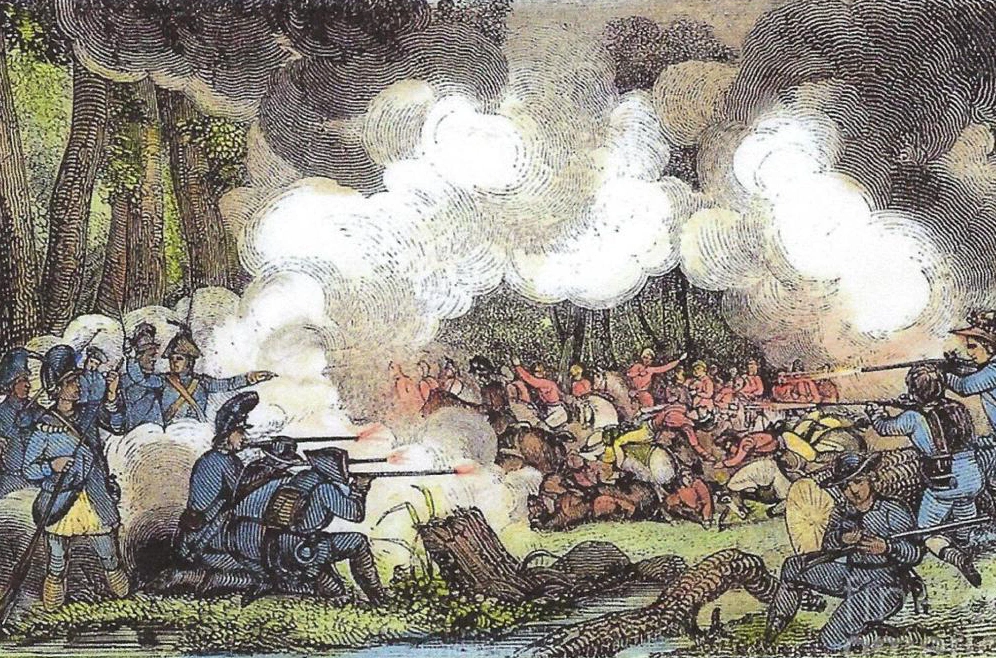
While small skirmishes had occurred here earlier in the year, the engagement on August 31, 1781, was one of the most brilliant tactical ambushes of the Revolutionary War.…
Capture of the HMS Dispatch
In August 1781, the war for the Lowcountry wasn't just being fought in the swamps—it was being won on the water. As Colonel William Harden’s land forces squeezed…
British Occupation of Jacksonborough
By 1781, as the Patriot "Swamp Fox" and Harden’s Rangers reclaimed the deep woods of the Lowcountry, the British military was forced to consolidate its power into a…
Ambush at Broad Creek
By October 1781, while the world’s attention was fixed on the British surrender at Yorktown, a localized and bloody "civil war" continued to tear through the Sea Islands.…
Barton’s Post & Pocotaligo Road
By April 8, 1781, Colonel William Harden had turned the Beaufort District into a nightmare for the British high command. Following his successful strike at the Salkehatchie Bridge, Harden pushed his "Rangers" deeper into the heart…
Siege of Fort Balfour
By mid-April 1781, Colonel William Harden had systematically dismantled the British outer defenses of the Beaufort District. His ultimate prize was Fort Balfour, a formidable "star-shaped" redoubt located at the strategic village of Pocotaligo. The fort…
Execution at Montpelier Plantation
Just two days after the fall of Fort Balfour, the "civil war" within the Revolution reached a grim crescendo at Montpelier Plantation. The atmosphere in the Beaufort District had turned toxic; the cycle of "eye-for-an-eye" violence…
Skirmish at Snipe’s Plantation
By June 1781, the British "Southern Strategy" had shrunk from a grand invasion to a desperate struggle for supplies. With the interior of South Carolina largely reclaimed by Patriot partisans, the British garrison in Charleston was…
Skirmish at Horse Shoe
By July 1781, the area known as the "Horse Shoe"—a fertile, looped bend of the Ashepoo River in Colleton County—had become a scorched-earth battleground. This region was home to some of the wealthiest Patriot families in…
Skirmish at Two Sisters’ Ferry
In the spring of 1780, the Savannah River remained the most contested border in the South. Two Sisters’ Ferry, a vital crossing point named for the daughters of a local settler, became the site of a…

Touch the Stones of Liberty: The Historic Sites of the Southern Lowcountry
Step off the beaten path and onto the hallowed ground where the fate of the Southern Department was decided. The Historic Sites of the Beaufort, Jasper, and Colleton Districts are more than just ruins; they are the silent witnesses to a decade of upheaval. From the defiant tabby ruins of Stoney-Baynard on Hilton Head to the charred, skeletal remains of Old Sheldon Church—burned by the British in 1779—these locations map the geography of a revolution.
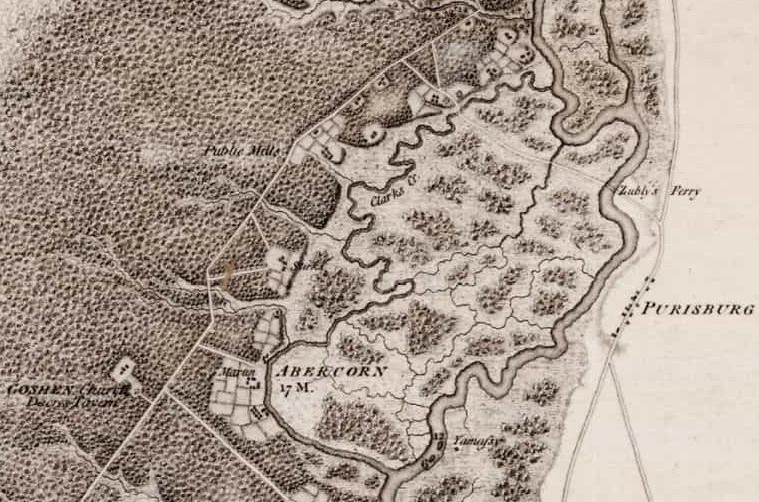
Explore the strategic river bluffs at Purrysburg, once the nerve center for the Continental Army, or walk the grounds of White Hall, the home of Declaration signer Thomas Heyward Jr. Whether you are navigating the dense maritime forests where the “Bloody Legion” once prowled or standing amidst the colonial grid of Jacksonborough, the provisional capital of a state in exile, these sites offer a tangible connection to the past. Here, the “partisan war” wasn’t fought on distant maps, but in the very doorsteps, chapels, and rice fields you can visit today.